Buy neumünster.eu ?
We are moving the project
neumünster.eu .
Are you interested in purchasing the domain
neumünster.eu ?
domain@kv-gmbh.de · 0541-91531010
Buy neumünster.eu ?
What is the history of the conquest of the Inca Empire?
The conquest of the Inca Empire began in 1532 when the Spanish conquistador Francisco Pizarro and his men arrived in the Inca territory, seeking to conquer and colonize the region. Pizarro took advantage of the internal divisions within the Inca Empire and formed alliances with local indigenous groups who were unhappy with Inca rule. This allowed the Spanish to defeat the Inca forces and capture their leader, Atahualpa, in the Battle of Cajamarca. Despite paying a ransom, Atahualpa was eventually executed by the Spanish, leading to further conflict and the eventual fall of the Inca Empire. The conquest of the Inca Empire marked the beginning of Spanish colonization in South America and the end of the Inca civilization. **
In which areas of the Inca Empire are countries located today, and what important events shaped the rise and fall of the Inca Empire?
The Inca Empire was located in present-day Peru, Ecuador, Bolivia, and parts of Chile and Argentina. The empire reached its peak in the 15th century under the rule of Emperor Pachacuti, who expanded its territory through military conquests and strategic alliances. However, the empire faced internal strife, including a civil war between two brothers, Atahualpa and Huascar, which weakened it. The arrival of the Spanish conquistadors, led by Francisco Pizarro, in the early 16th century ultimately led to the downfall of the Inca Empire. **


Similar search terms for Inca
Top-Angebote
Products related to Inca:
-
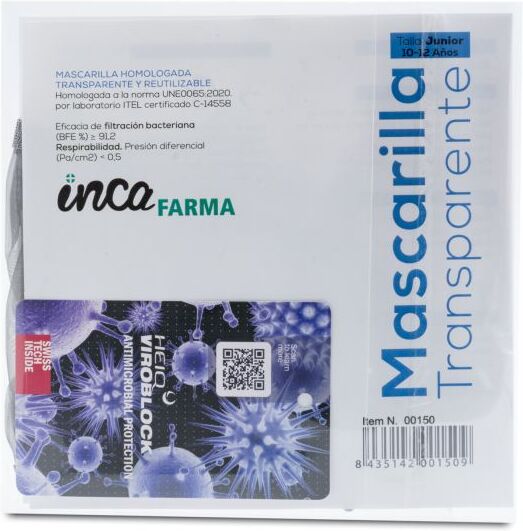
Inca Farma Transparent Mask Gray Junior 10-12 yearsHealth and Beauty First aid kit Inca Farma Transparent Mask Gray Junior 10-12 years A layer of 100% polyamide fabric with a water-repellent and antibacterial finish with silver particles and vesicles (Swiss HeiQ VIRIOBLOCK technology) to increase protection. Waterproof and antibacterial cotton lining.9,30 £*Shipping: 3,99 £Secure redirect to the provider
-
Brewster Inca Paintable Tribal Wallpaper - 20 x 396 x 0.025Simple raised shapes make up small squares that intersect to form a larger pattern. The historically inspired design could be painted in rich earth tones to enhance the organic look. Inca is an unpasted, vinyl wallpaper.66,99 $*Shipping: 0,00 $Secure redirect to the provider
-
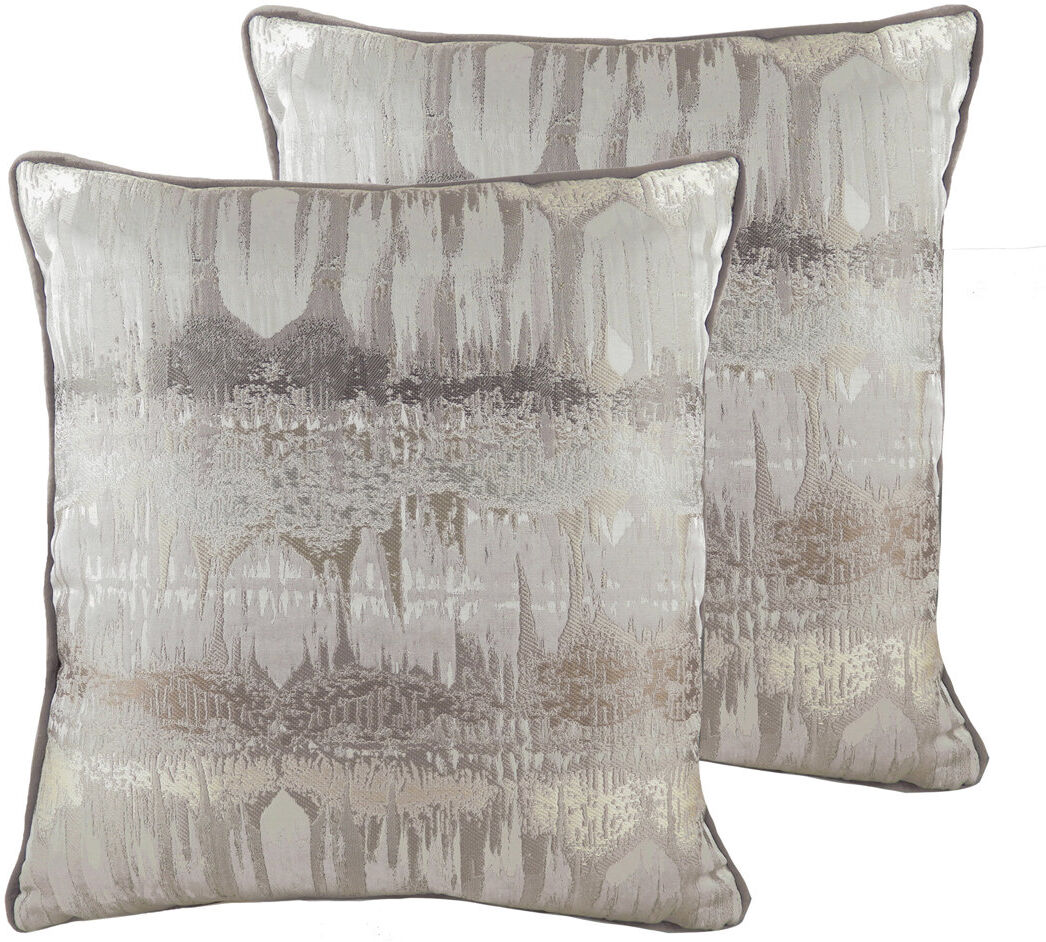
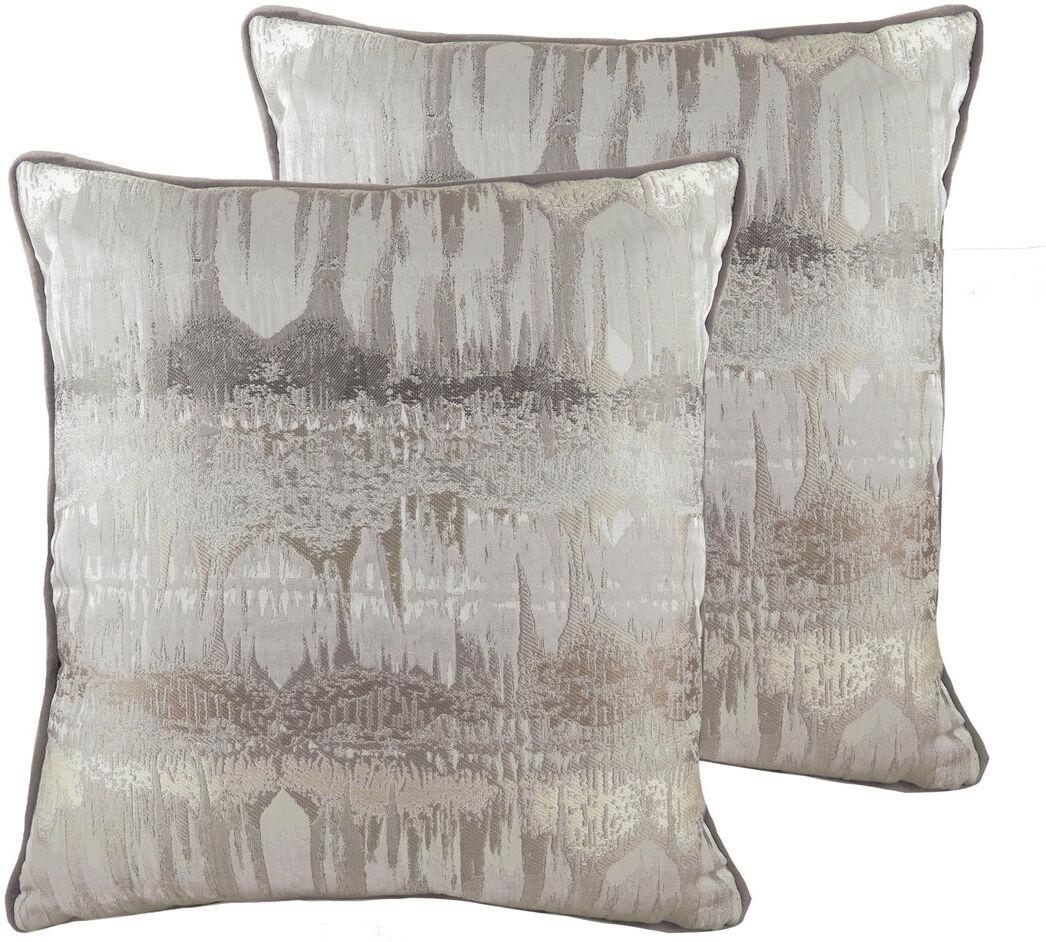
Evans Lichfield Inca Abstract Square Cushion Silver/Feathers 56cm H x 56cm W x 4cm DReminiscent of ancient Peruvian artwork, this cushion will introduce a luxurious and textured feel to your interior with metallic gold and silver elements and bold Velvet feel reverse and piping. Complete with a velvet feel reverse, matching piped edging and hidden zip closure. Made of 100% Polyester, these cushions are super soft yet durable.. Designed, printed and made in the UK.. Brand Name: Evans Lichfield. Size: 56cm H x 56cm W x 4cm D, Colour: Silver, Fill Material: Feathers73,99 £*Shipping: 0,00 £Secure redirect to the provider
-
Evans Lichfield Inca Abstract Square Cushion Silver/Polyester 56cm H x 56cm W x 4cm DReminiscent of ancient Peruvian artwork, this cushion will introduce a luxurious and textured feel to your interior with metallic gold and silver elements and bold Velvet feel reverse and piping. Complete with a velvet feel reverse, matching piped edging and hidden zip closure. Made of 100% Polyester, these cushions are super soft yet durable.. Designed, printed and made in the UK.. Brand Name: Evans Lichfield. Size: 56cm H x 56cm W x 4cm D, Colour: Silver, Fill Material: Polyester56,99 £*Shipping: 4,99 £Secure redirect to the provider

-
Why didn't the Inca conquer Spain?
The Inca did not conquer Spain because they were located in South America, while Spain is in Europe. The Inca Empire was focused on expanding and consolidating power in the Andean region, rather than looking to conquer territories across the ocean. Additionally, the Inca did not have the naval technology or resources to launch an invasion of Spain. The geographical distance, lack of naval power, and focus on regional expansion all contributed to the Inca not attempting to conquer Spain. **
-
How large was the Inca Empire?
The Inca Empire was the largest empire in pre-Columbian America, stretching along the western coast of South America for over 2,500 miles. At its height, it covered an area of approximately 772,204 square miles, making it one of the largest empires in the world at the time. The empire included parts of present-day Peru, Ecuador, Bolivia, Chile, and Argentina, and was home to millions of people from diverse ethnic and linguistic backgrounds. The Inca Empire was known for its advanced infrastructure, including an extensive road system and impressive architecture, such as the famous city of Machu Picchu. **
-
In which areas of the Inca Empire are modern-day countries located, and what important events shaped the rise and fall of the Inca Empire?
Modern-day countries located within the Inca Empire include Peru, Ecuador, Bolivia, and parts of Chile, Argentina, and Colombia. The rise of the Inca Empire was shaped by the leadership of Pachacuti, who expanded the empire through military conquest and strategic alliances. The fall of the Inca Empire was largely due to the Spanish conquest led by Francisco Pizarro, who captured the Inca emperor Atahualpa and ultimately defeated the Inca forces, leading to the downfall of the empire. **
-
By whom was the Inca Empire destroyed?
The Inca Empire was destroyed by the Spanish conquistadors led by Francisco Pizarro. In 1532, Pizarro and his men captured the Inca emperor Atahualpa and eventually overthrew the Inca Empire. The Spanish conquest brought about the downfall of the Inca civilization and led to the colonization of the region by the Spanish. **


What is Catan: Rise of the Inca?
Catan: Rise of the Inca is an expansion for the popular board game Catan. It introduces new mechanics and components inspired by the Inca civilization, such as llama trade routes and unique building rules. Players can explore and settle the Incan lands while competing for resources and building their civilizations. The expansion adds a fresh twist to the classic Catan gameplay, offering new strategies and challenges for both new and experienced players. **
Is there still the Inca 2 today?
No, the Inca Empire no longer exists today. The Inca Empire was the largest empire in pre-Columbian America, and it was conquered by the Spanish in the 16th century. The Inca civilization and its culture have left a lasting impact on the Andean region, and their descendants still live in the area today, but the empire itself no longer exists. **
Top-Angebote
Products related to Inca:
-
Inca Farma Transparent Mask Gray Junior 10-12 yearsHealth and Beauty First aid kit Inca Farma Transparent Mask Gray Junior 10-12 years A layer of 100% polyamide fabric with a water-repellent and antibacterial finish with silver particles and vesicles (Swiss HeiQ VIRIOBLOCK technology) to increase protection. Waterproof and antibacterial cotton lining.9,30 £*Shipping: 3,99 £Secure redirect to the provider
-
Brewster Inca Paintable Tribal Wallpaper - 20 x 396 x 0.025Simple raised shapes make up small squares that intersect to form a larger pattern. The historically inspired design could be painted in rich earth tones to enhance the organic look. Inca is an unpasted, vinyl wallpaper.66,99 $*Shipping: 0,00 $Secure redirect to the provider
-
What is the history of the conquest of the Inca Empire?
The conquest of the Inca Empire began in 1532 when the Spanish conquistador Francisco Pizarro and his men arrived in the Inca territory, seeking to conquer and colonize the region. Pizarro took advantage of the internal divisions within the Inca Empire and formed alliances with local indigenous groups who were unhappy with Inca rule. This allowed the Spanish to defeat the Inca forces and capture their leader, Atahualpa, in the Battle of Cajamarca. Despite paying a ransom, Atahualpa was eventually executed by the Spanish, leading to further conflict and the eventual fall of the Inca Empire. The conquest of the Inca Empire marked the beginning of Spanish colonization in South America and the end of the Inca civilization. **
-
In which areas of the Inca Empire are countries located today, and what important events shaped the rise and fall of the Inca Empire?
The Inca Empire was located in present-day Peru, Ecuador, Bolivia, and parts of Chile and Argentina. The empire reached its peak in the 15th century under the rule of Emperor Pachacuti, who expanded its territory through military conquests and strategic alliances. However, the empire faced internal strife, including a civil war between two brothers, Atahualpa and Huascar, which weakened it. The arrival of the Spanish conquistadors, led by Francisco Pizarro, in the early 16th century ultimately led to the downfall of the Inca Empire. **
-
Why didn't the Inca conquer Spain?
The Inca did not conquer Spain because they were located in South America, while Spain is in Europe. The Inca Empire was focused on expanding and consolidating power in the Andean region, rather than looking to conquer territories across the ocean. Additionally, the Inca did not have the naval technology or resources to launch an invasion of Spain. The geographical distance, lack of naval power, and focus on regional expansion all contributed to the Inca not attempting to conquer Spain. **
-
How large was the Inca Empire?
The Inca Empire was the largest empire in pre-Columbian America, stretching along the western coast of South America for over 2,500 miles. At its height, it covered an area of approximately 772,204 square miles, making it one of the largest empires in the world at the time. The empire included parts of present-day Peru, Ecuador, Bolivia, Chile, and Argentina, and was home to millions of people from diverse ethnic and linguistic backgrounds. The Inca Empire was known for its advanced infrastructure, including an extensive road system and impressive architecture, such as the famous city of Machu Picchu. **
Similar search terms for Inca
-
Evans Lichfield Inca Abstract Square Cushion Silver/Feathers 56cm H x 56cm W x 4cm DReminiscent of ancient Peruvian artwork, this cushion will introduce a luxurious and textured feel to your interior with metallic gold and silver elements and bold Velvet feel reverse and piping. Complete with a velvet feel reverse, matching piped edging and hidden zip closure. Made of 100% Polyester, these cushions are super soft yet durable.. Designed, printed and made in the UK.. Brand Name: Evans Lichfield. Size: 56cm H x 56cm W x 4cm D, Colour: Silver, Fill Material: Feathers73,99 £*Shipping: 0,00 £Secure redirect to the provider
-
Evans Lichfield Inca Abstract Square Cushion Silver/Polyester 56cm H x 56cm W x 4cm DReminiscent of ancient Peruvian artwork, this cushion will introduce a luxurious and textured feel to your interior with metallic gold and silver elements and bold Velvet feel reverse and piping. Complete with a velvet feel reverse, matching piped edging and hidden zip closure. Made of 100% Polyester, these cushions are super soft yet durable.. Designed, printed and made in the UK.. Brand Name: Evans Lichfield. Size: 56cm H x 56cm W x 4cm D, Colour: Silver, Fill Material: Polyester56,99 £*Shipping: 4,99 £Secure redirect to the provider
-
Evans Lichfield Inca Abstract Square Cushion Cream/Mocha/Feathers 56cm H x 56cm W x 4cm DReminiscent of ancient Peruvian artwork, this cushion will introduce a luxurious and textured feel to your interior with metallic gold and silver elements and bold Velvet feel reverse and piping. Complete with a velvet feel reverse, matching piped edging and hidden zip closure. Made of 100% Polyester, these cushions are super soft yet durable.. Designed, printed and made in the UK.. Brand Name: Evans Lichfield. Colour: Cream/Mocha, Size: 56cm H x 56cm W x 4cm D, Fill Material: Feathers73,99 £*Shipping: 0,00 £Secure redirect to the provider
-
Evans Lichfield Inca Abstract Square Cushion Cream/Mocha/Polyester 56cm H x 56cm W x 4cm DReminiscent of ancient Peruvian artwork, this cushion will introduce a luxurious and textured feel to your interior with metallic gold and silver elements and bold Velvet feel reverse and piping. Complete with a velvet feel reverse, matching piped edging and hidden zip closure. Made of 100% Polyester, these cushions are super soft yet durable.. Designed, printed and made in the UK.. Brand Name: Evans Lichfield. Colour: Cream/Mocha, Size: 56cm H x 56cm W x 4cm D, Fill Material: Polyester55,99 £*Shipping: 4,99 £Secure redirect to the provider
-
In which areas of the Inca Empire are modern-day countries located, and what important events shaped the rise and fall of the Inca Empire?
Modern-day countries located within the Inca Empire include Peru, Ecuador, Bolivia, and parts of Chile, Argentina, and Colombia. The rise of the Inca Empire was shaped by the leadership of Pachacuti, who expanded the empire through military conquest and strategic alliances. The fall of the Inca Empire was largely due to the Spanish conquest led by Francisco Pizarro, who captured the Inca emperor Atahualpa and ultimately defeated the Inca forces, leading to the downfall of the empire. **
-
By whom was the Inca Empire destroyed?
The Inca Empire was destroyed by the Spanish conquistadors led by Francisco Pizarro. In 1532, Pizarro and his men captured the Inca emperor Atahualpa and eventually overthrew the Inca Empire. The Spanish conquest brought about the downfall of the Inca civilization and led to the colonization of the region by the Spanish. **
-
What is Catan: Rise of the Inca?
Catan: Rise of the Inca is an expansion for the popular board game Catan. It introduces new mechanics and components inspired by the Inca civilization, such as llama trade routes and unique building rules. Players can explore and settle the Incan lands while competing for resources and building their civilizations. The expansion adds a fresh twist to the classic Catan gameplay, offering new strategies and challenges for both new and experienced players. **
-
Is there still the Inca 2 today?
No, the Inca Empire no longer exists today. The Inca Empire was the largest empire in pre-Columbian America, and it was conquered by the Spanish in the 16th century. The Inca civilization and its culture have left a lasting impact on the Andean region, and their descendants still live in the area today, but the empire itself no longer exists. **
* All prices are inclusive of VAT and, if applicable, plus shipping costs. The offer information is based on the details provided by the respective shop and is updated through automated processes. Real-time updates do not occur, so deviations can occur in individual cases. ** Note: Parts of this content were created by AI.